What can cause an EMP? You ever thought about how an electromagnetic pulse, or EMP, could really throw a wrench into our daily lives? Imagine waking up one morning to find out that your phone, your computer, heck even the power grid is down. These pulses can come from...
Cyber threats aren’t just “out there” anymore—they’re part of everyday life. From fake emails trying to trick you into clicking a link, to criminals locking up a company’s files for ransom, the dangers are real and constant.
You know, when you're out there in the wild and medical emergencies occur, it's a whole different ball game compared to our usual everyday life. The real kicker is when you’ve got a medical emergency and there’s no doc around to bail you out. That's when having some...
Preparing and getting ready for home emergencies such as fires and power outages necessitates a thorough strategy to ensure that you and your family can respond effectively and remain safe. This process includes recognizing potential threats, devising a plan, and...
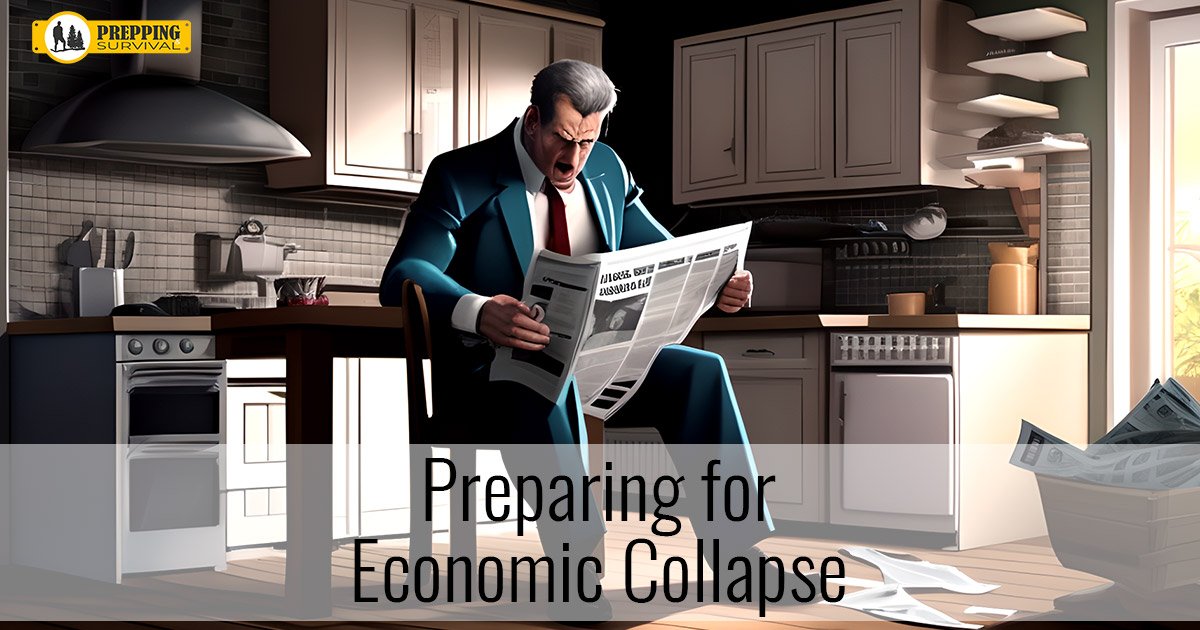
Preparing for economic collapse and ensuring robust financial health requires taking deliberate steps to protect assets, minimize risks, and sustain financial stability amid potential economic upheavals.
How to prepare for economic collapse
Although it’s difficult to predict the specific timing or nature of an economic collapse, implementing various strategies to manage possible risks can significantly bolster your capacity to endure economic difficulties and secure your financial situation. Here are a few.
Diversify Your Portfolio
Allocate investments across a variety of asset categories, including stocks, bonds, real estate, and commodities. Diversification lessens the risk associated with any single asset or sector, providing a buffer against market declines in tough market conditions.
Establish an Emergency Fund
Create a financial safety net by ensuring enough savings to cover three to six months of living expenses. This reserve acts as a cushion during job loss, economic instability, or unforeseen expenditures, helping you maintain vital payments without resorting to debt.
Lower Debt Levels
Focus on reducing high-interest debt and refrain from acquiring additional debt whenever possible. High debt levels can intensify financial strain during downturns, as interest payments become a serious burden, limiting your financial flexibility.
Adopt a Frugal Lifestyle
Embrace minimalism by prioritizing necessary expenses over luxury spending. Cut back on non-essential purchases and live within your means to conserve resources and build resilience against economic collapse scenarios.
Develop Diverse Income Streams
Explore various income opportunities such as freelance work, part-time jobs, rental properties, or starting a business. Having multiple income sources enhances stability and decreases dependence on a single job.
Starting a business online is not really that hard today. All you need is dedication and possibly a little budget to get things moving. If you’re interested in this, here’s one of the best ways to start: join a free training program that will give you everything you need to start (you can click on the image below). This particular program (called MAP) is offering a nice library of free trainings, as well as the basic level commissions (25%), and also the option to speed things up by buying certain optional courses and higher membership levels.
All you have to do is create a free account and then follow the basic trainings. TIP: if you join, be sure to grab the initial offer inside, which is an important advanced traffic training for under $10. You can purchase it later too, but the pricing within the membership is significantly higher.
If you’re worried about creating a free account, check THIS POST that gives you clear pathway and instructions of what’s important in the process.
Safeguard Your Assets
Evaluate your insurance coverage and consider additional protection against risks like unemployment, disability, or natural disasters. Ensure your policies adequately cover property, health, life, and liability, particularly in light of potential economic instability.
Invest in Physical Assets
Consider acquiring tangible assets like precious metals, real estate, or commodities that retain intrinsic value and can hedge against currency depreciation or inflation. These assets can preserve purchasing power during uncertain economic times.
Build Self-Sufficiency
Acquire skills in gardening, food preservation, basic home maintenance, and first aid. Boosting self-reliance reduces dependence on external sources and enhances resilience amid supply chain disruptions, inflation, or essential goods shortages.
Stay Informed and Adaptable
Keep abreast of economic trends, geopolitical events, and financial news to foresee risks and adjust financial strategies as needed. Be willing to modify investment portfolios, spending habits, or lifestyle choices in response to evolving economic conditions.
Create Community Support Systems
Develop relationships with neighbors, friends, or community groups to share resources, information, and mutual aid during economic hardship. Collaborate with like-minded individuals to collectively tackle challenges, pool resources, and provide support through financial uncertainties.
Preparing For Economic Collapse: Conclusion
By adopting these proactive measures, you can bolster your financial readiness and resilience to withstand an economic collapse or financial crisis. While the future remains uncertain, taking steps to protect assets, decrease debt, diversify income, and foster self-reliance can greatly enhance your ability to endure economic storms and emerge stronger.
Remember to build up your savings portfolio by developing diverse income streams – today is the best time for you to start an online business, for instance, that will bring you the funds needed to fill the gaps, and will do so asap.